
OnlyFans structures access in two distinct ways, and the difference matters more than most guides admit. A free page and a paid subscription are not light and heavy versions of the same product. They are separate economic systems that share one interface, and each one shapes how content is delivered, how money moves, and how much control a subscriber retains. BestOnlyFans treats these as two architectures rather than two price points, because the structural gap explains almost every practical question users ask about spending, access, and cancellation.
This article breaks down both models component by component: revenue mechanics, what a purchase actually licenses, price visibility, creator incentives, cancellation rules, hybrid operations, feature availability, and a decision framework for matching each model to real consumption habits. BestOnlyFans refreshes its rankings every month.

Revenue Architecture: Subscription vs Transaction Models
The base price sits between $4.99 and $49.99, though most pages cluster in the $4.99 to $15 band and averages land around $5 to $10. Because the amount is fixed at signup, the creator can forecast monthly income from the existing subscriber base, and the subscriber knows the cost before committing.
The free tier replaces the base charge with a $0 entry point and moves monetization into transactions. Pay-per-view messages unlock individual content, paid chat commonly runs $3 to $5 per message, and tips can reach $100. Revenue arrives irregularly and depends on how many visitors convert into buyers each week rather than how many subscribers renew.
One constant applies to both architectures: the platform takes a 20% fee on everything, and the creator keeps 80%. The fee attaches at different moments, but the rate does not change.
| Model Component | Paid Subscription | Free Tier with PPV |
|---|---|---|
| Base price structure | Fixed monthly charge, $4.99-$49.99 | $0 entry |
| Creator revenue predictability | High, recurring base | Variable, conversion-dependent |
| Subscriber spending ceiling | Known at signup | Unbounded in practice |
| Platform fee application point | On the subscription charge | On each transaction |
| Typical creator income concentration | Recurring base across subscribers | Top percentiles of buyers |
Promotional pricing adds a wrinkle. A first month can be offered below $4.99, such as a $3 introductory rate, but the base price itself may never sit under the $4.99 floor.
Content Access Licensing Implicit in Pricing Tiers
What a subscriber buys differs in kind, not just in quantity. A subscription functions like a temporary library card: the feed opens for as long as payments continue, and access ends when the subscription ends. A PPV unlock behaves like a discrete purchase tied to one item.
That difference carries practical consequences. Subscription access is ongoing but not permanent. PPV purchases persist as individual unlocks with no future obligation attached, which is why the two models produce different feelings about ownership even though neither transfers content rights.
- Subscription grants temporary library access that ends with cancellation.
- PPV purchases create a permanent unlock for a single item.
- Subscription includes implied ongoing content delivery for the paid period.
- PPV establishes a discrete transaction with no future obligation.
Neither model grants portability. Content stays inside the platform in both cases, so the licensing question is about duration of access, not possession of files.

Price Transparency and Spending Predictability
The paid model publishes its number. A visitor sees the monthly figure before entering a card, and auto-renew continues at that rate until changed. If a creator raises the price, auto-renew stops automatically and existing access lasts until the paid period ends, which gives the subscriber a natural decision point.
The free model publishes nothing beyond $0. Every dollar after entry depends on what the subscriber chooses to unlock, and per-message pricing can shift between creators and over time. Estimating a monthly total in advance is difficult because the spending sequence is open-ended.
- Posted subscription price versus hidden per-message costs.
- Monthly billing cycle versus continuous micro-transactions.
- Creator price change notifications versus dynamic PPV pricing.
- Refund eligibility clarity in each model.
- Overall difficulty of estimating total cost before committing.
A card verification hold of $0.10 appears in both models and is refunded within days. It is a verification step, not a charge, and it should not be confused with spending.
Tip: before subscribing anywhere, decide a monthly ceiling and treat PPV unlocks as spending against that same ceiling. A $0 entry point removes the price signal that normally slows down impulse purchases.
Creator Incentive Structures and Content Strategy
Subscription income rewards retention. A creator on a paid page benefits from consistent posting schedules, steady interaction, and a subscriber base that renews without needing a new sales pitch each month. The economics push toward depth and reliability.
PPV income rewards conversion. A creator on a free page benefits from high-impact individual posts, strong first impressions, and messaging that turns a browsing visitor into a one-time buyer. The economics push toward extraction from a rotating audience rather than long-term relationship building.
- Subscription rewards retention and predictable renewals.
- PPV rewards conversion optimization per post.
- Subscription encourages consistent posting schedules.
- PPV encourages high-impact individual posts.
- Subscription builds community depth over time.
- PPV maximizes extraction from new visitors.
Neither approach is better in the abstract. They simply reward different behaviors, and the content a subscriber sees reflects whichever incentive dominates the page they joined.

Subscriber Control and Cancellation Mechanics
Stopping a subscription means turning off auto-renew, not losing access immediately. Billing ends, but the paid period runs to completion and the feed stays open until it expires. Reactivating later restores the same library access, assuming the creator still operates the page.
The subscriber simply declines to unlock the next item, and there is no ongoing obligation to cancel. Re-engagement, however, means buying individual unlocks again rather than restoring a relationship that already exists.
- Subscription cancellation stops future billing but keeps access until the period ends.
- PPV cessation is immediate with no ongoing obligation.
- Subscription reactivation restores full library access.
- PPV re-engagement requires new individual purchases.
The cancellation screen itself is a useful reference point when auditing recurring charges, since it lists the reasons and confirms whether auto-renew is genuinely off.

Hybrid Operations: Creators Running Both Model Types
Many creators run a free page and a paid page at the same time, and the arrangement is strategic rather than redundant. The free page acts as a top-of-funnel surface where visitors sample tone and posting style at $0, while the paid page carries the fuller feed and recurring income.
Content differentiation keeps the two from cannibalizing each other. Teasers, announcements, and lighter posts live on the free side; the paid side holds the main library. A subscriber who wants more can migrate upward, and the $0 entry point makes that first step frictionless.
This structure also explains why ranking directories exist at all. The platform has no built-in discovery feed, so third-party comparison sites carry the browsing function that the interface itself does not provide, including resources such as onlyfans free usa for locating zero-dollar pages.
Platform Feature Availability by Access Type
Feature access is broadly similar across both models, but the economics of each feature differ. Messaging exists everywhere, yet on a paid page it is typically included in the subscription, while on a free page it commonly runs $3 to $5 per message.
Live streaming follows the same pattern. It may be included for subscribers or ticketed separately, whereas free-tier viewers usually face a PPV entry. The tipping interface is available in both contexts and behaves identically, with tips reaching up to $100.
| Feature | Paid Subscription Access | Free Tier Access |
|---|---|---|
| Feed content visibility | Full library for the paid period | Teaser posts with locked items |
| Direct messaging cost | Typically included | Per-message payment, often $3-$5 |
| Live stream access | Included or separately ticketed | PPV entry |
| Tipping interface | Available | Available |
| Promotional discount eligibility | First-month offers | Bundle PPV deals |

Security settings apply the same way in both models, and enabling two-step authentication is worth doing regardless of which architecture a user prefers.
Selecting Architecture Based on Consumption Patterns
The right model depends on how someone actually consumes content, not on which page looks cheaper. Frequency, variety tolerance, and budget stability point toward different answers, and the mismatch usually shows up as either wasted subscription months or runaway PPV totals.
Behavior first, then budget. A user who checks a page daily gets more value from a predictable monthly charge, while someone who browses occasionally avoids paying for weeks of unused access by buying individual unlocks instead.
- High-frequency daily users benefit from subscription predictability.
- Sporadic browsers suit PPV flexibility.
- Niche content seekers find subscription efficiency.
- Variety seekers manage costs better with PPV selectivity.
- Budget-constrained users risk overspending with unpredictable PPV totals.
The ranking methodology behind BestOnlyFans evaluates pages on how clearly they signal which model they run, because that signal determines whether a visitor can predict their own spending before entering a card.

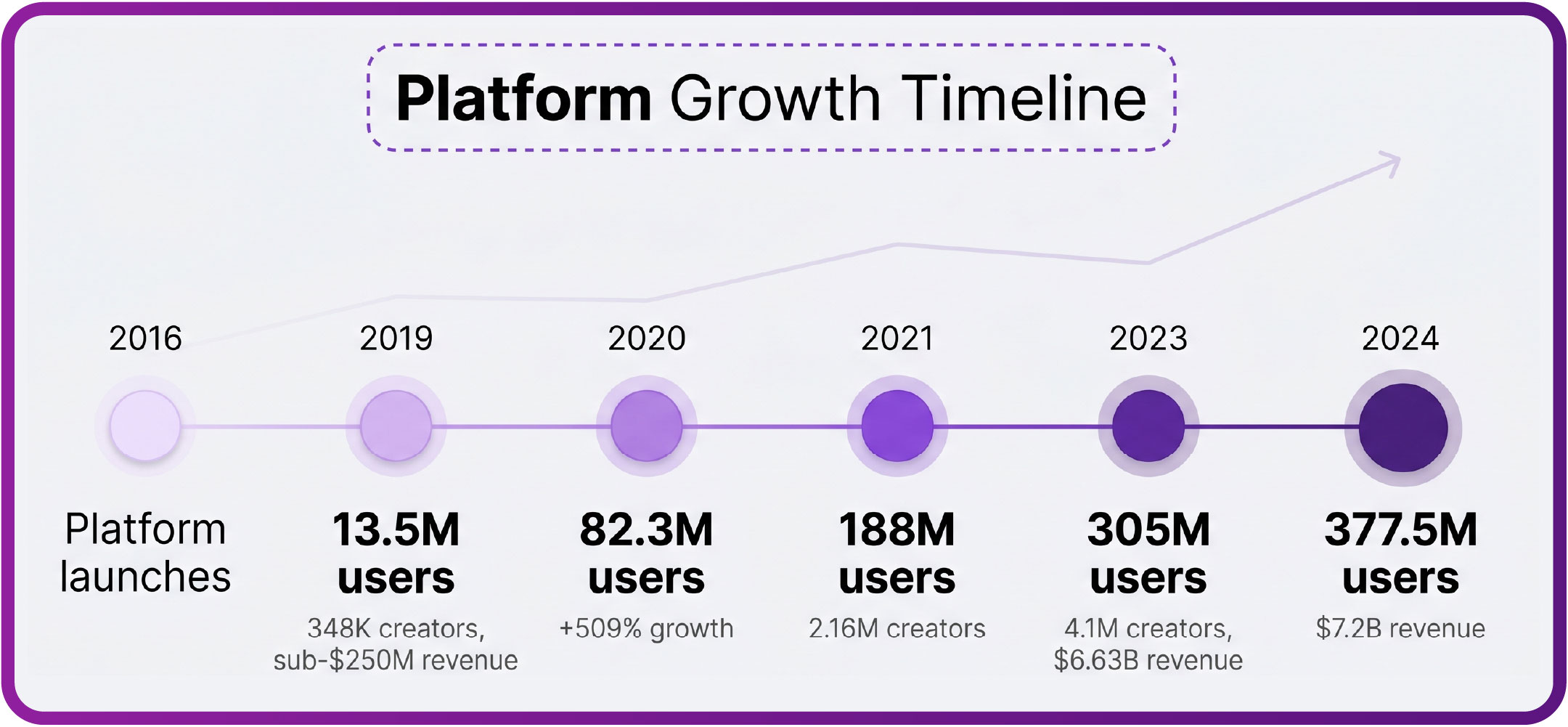
The platform’s growth since 2016, with a sharp surge in 2020, widened both models simultaneously. More pages means more choice, and more choice makes structural literacy more valuable than any single recommendation.

FAQ
Can I switch from a free page to a paid subscription without losing access?
Yes, where the creator runs both pages. The two operate as separate subscriptions, so joining the paid page adds access rather than replacing the free one. Anything already unlocked through PPV on the free page remains available there, and the paid subscription opens its own feed for the duration of the billing period.
Why do some creators offer both free and paid pages simultaneously?
The two pages serve different functions. The free page works as a low-friction entry point that converts browsers into buyers through PPV and tips, while the paid page generates recurring income from subscribers who want the fuller library. Running both lets a creator capture audiences with different spending habits instead of forcing one model onto everyone.
Which model typically results in higher total monthly spending?
The paid model has a known ceiling set by the subscription price. The free model has no ceiling, because PPV unlocks, paid chat at $3 to $5 per message, and tips accumulate without a fixed cap. A disciplined free-page user can spend less than a subscriber, but an undisciplined one frequently spends more.
What happens to my PPV purchases if a creator deletes their free page?
Access ends with the page. PPV unlocks are tied to the account and page that hosted them, so removing the page removes the content regardless of what was paid. This is the clearest structural difference from subscription access, which already ends at a known date rather than at the creator’s discretion.